1
Orfeo ed Euridice: 'Che farò senza Euridice'
One of the most beautiful and famous operatic arias — Orpheus's lament is heartbreaking in its simplicity.
1714–1787
29 works
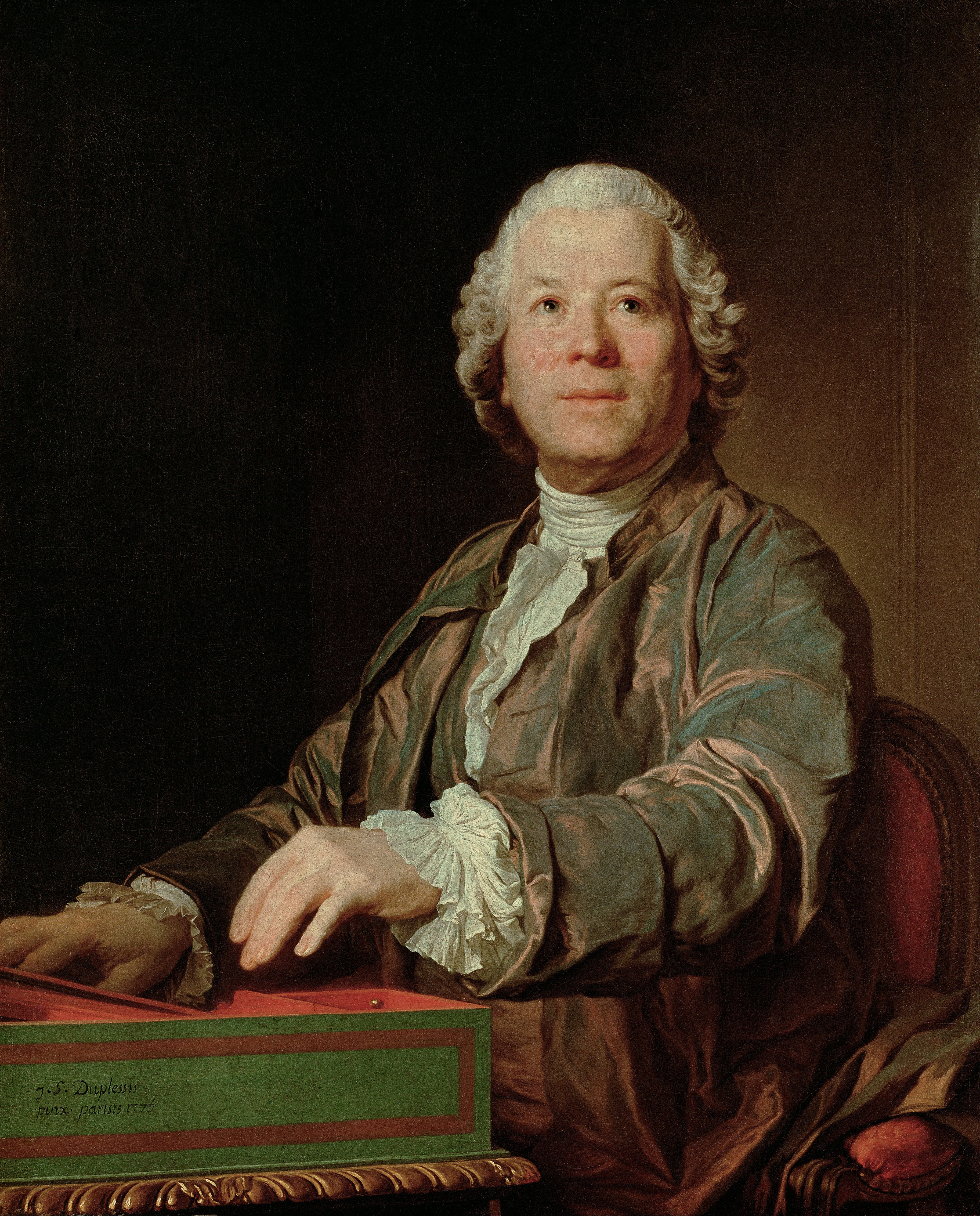
Gluck was the great reformer of opera — the composer who swept away the excesses and vocal acrobatics of Baroque opera seria to create a new kind of music drama where the story and emotion came first. His 'reform operas,' especially Orfeo ed Euridice and Iphigénie en Tauride, remain among the most moving theatrical experiences in opera. He showed that simplicity could be more powerful than virtuosity, and opera was never the same again.
0 concerts featuring works by this composer
No upcoming performances scheduled for works by Christoph Willibald von Gluck.
New to Christoph Willibald von Gluck? These works make great entry points.
Orfeo ed Euridice: 'Che farò senza Euridice'
One of the most beautiful and famous operatic arias — Orpheus's lament is heartbreaking in its simplicity.
Orfeo ed Euridice: Dance of the Blessed Spirits
A flute melody of ethereal beauty depicting paradise — instantly captivating even outside its operatic context.
Iphigénie en Tauride (complete)
A gripping dramatic experience that moves at the pace of a thriller — one of the most accessible pre-Mozart operas.
Add to Spotlight to be notified when a piece is scheduled near you.
The works that define Christoph Willibald von Gluck's legacy.
The first and greatest of the reform operas — a work of revolutionary simplicity and emotional power that changed the course of opera.
His most dramatically compelling opera — a taut psychological drama that Berlioz called a masterpiece without qualification.
The opera whose preface became the manifesto of operatic reform — its music puts principles into devastating practice.
Musical style, influences, and more
Gluck's reform style strips opera to its emotional essentials: simple, noble vocal lines that serve the text, powerful choruses, expressive orchestral writing, and a seamless flow between aria and recitative that eliminates the stop-start quality of Baroque opera. His music achieves its effects through directness and sincerity rather than complexity. His best arias have a timeless, almost hymn-like beauty that still moves audiences two and a half centuries later.
He studied in Italy and absorbed the opera seria tradition before rebelling against it. His collaboration with the librettist Ranieri de' Calzabigi produced the reform operas that changed operatic history. His ideas influenced Mozart, Berlioz (who worshipped his Iphigénie operas), Wagner, and the entire subsequent tradition of music drama. The 'Querelle des Gluckistes et des Piccinnistes' in Paris was one of the great aesthetic battles of the 18th century.
His early career produced conventional Italian operas. The revolutionary Orfeo ed Euridice (1762) and Alceste (1767) in Vienna established his reform principles. Moving to Paris, he produced his French masterpieces: Iphigénie en Aulide, the French Orfeo, and the sublime Iphigénie en Tauride (1779). His late years saw declining health and few new works, but his operatic revolution was complete.
When Gluck's Orfeo ed Euridice premiered in Vienna in 1762, audiences were stunned by the scene where Orpheus enters the Underworld. Instead of flashy da capo arias, the Furies block his path with terrifying choruses, and Orpheus responds with a simple, heartrending 'Deh, placatevi con me' — gradually softening their rage through sheer emotional sincerity. It's one of the great dramatic coups in all of opera, and it still works perfectly.
Gluck's 'Dance of the Blessed Spirits' from Orfeo — a flute melody of almost unbearable sweetness depicting the Elysian Fields — is one of the most beautiful instrumental moments in all of opera, and it's frequently performed as a standalone concert piece for flute and orchestra.
Orfeo ed Euridice remains a repertoire staple — one of the oldest operas in continuous performance. Iphigénie en Tauride is increasingly staged and recognized as a masterpiece. The Dance of the Blessed Spirits appears regularly on orchestral programs. His reform operas are experiencing a broader renaissance as period-instrument performance and staging bring their original impact back to life.
29 works in catalog
Browse the catalog below. Add any work to your Spotlight to track when it is performed live.
Showing 29 of 29 works