1
Symphony No. 1 in E Minor: Third Movement (Juba Dance)
Eight minutes of infectious rhythmic energy that shows her distinctive voice—immediately appealing.
1887–1953
11 works
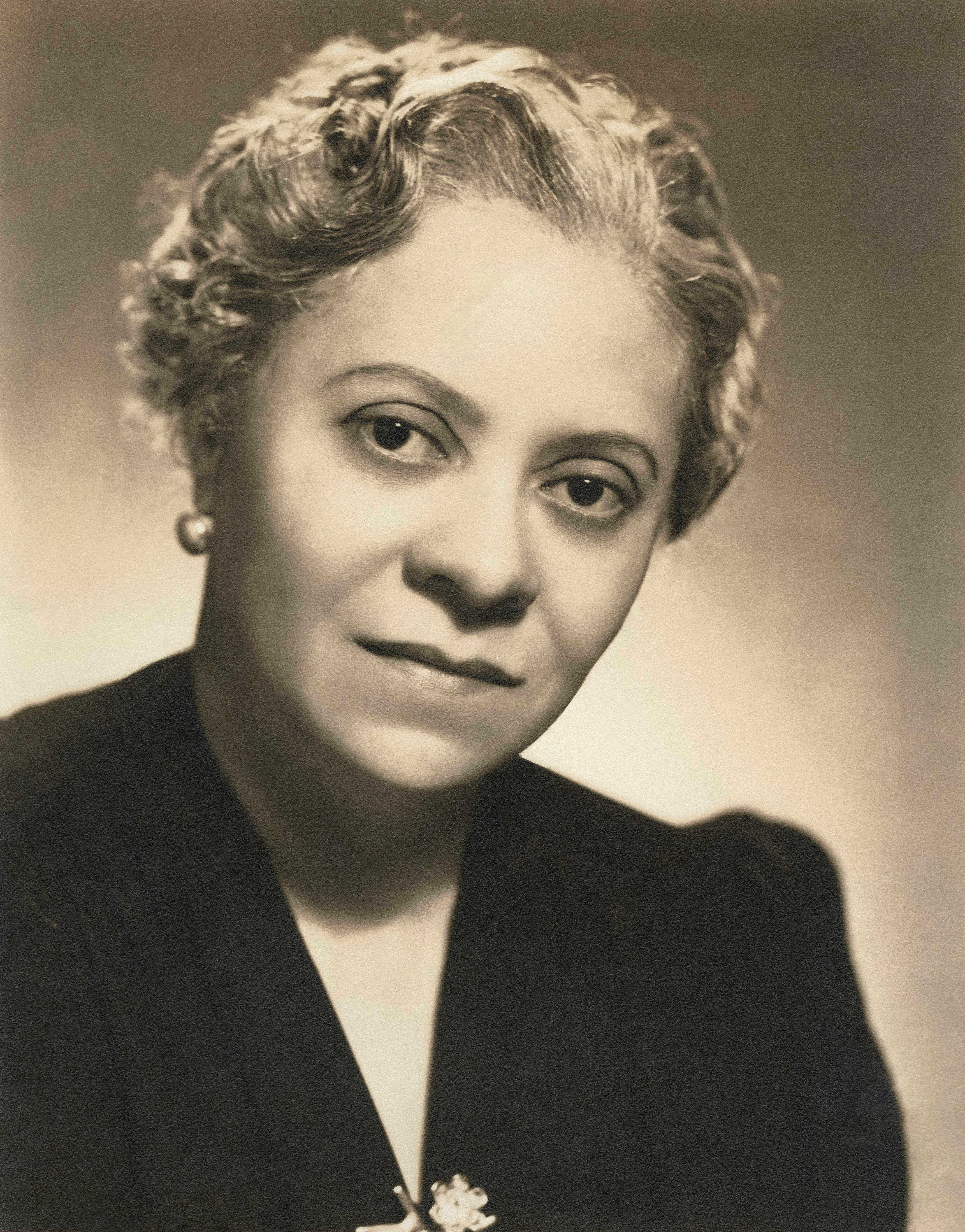
Price was the first African American woman to have a symphony performed by a major American orchestra (Chicago Symphony, 1933), and she created a unique synthesis of Black musical traditions with European symphonic forms. Long neglected, her music is finally getting the recognition it always deserved—and it's glorious.
0 concerts featuring works by this composer
No upcoming performances scheduled for works by Florence Price.
New to Florence Price? These works make great entry points.
Symphony No. 1 in E Minor: Third Movement (Juba Dance)
Eight minutes of infectious rhythmic energy that shows her distinctive voice—immediately appealing.
Songs to the Dark Virgin
Art songs that combine European art song tradition with African American spiritual feeling—beautiful and accessible.
Adoration for Organ
A gorgeous organ piece that's become a favorite—lush, spiritual, immediately moving.
Add to Spotlight to be notified when a piece is scheduled near you.
The works that define Florence Price's legacy.
Symphony No. 1 in E Minor
Her breakthrough work combines symphonic craft with juba rhythms and spiritual themes—it's American music of real distinction.
A substantial concerto that balances virtuosity with melodic appeal and incorporates blues and spiritual elements.
A tone poem addressing African American experience with musical sophistication and emotional power.
Musical style, influences, and more
Price fuses European Romantic symphonic tradition with African American spirituals, blues, and dance rhythms to create something distinctive and powerful. Her orchestration is rich and colorful, her melodies singable and memorable, her harmonies lush without being overwrought. There's a joyful quality to much of her music, even as it addresses serious themes, and her juba rhythms and spiritual quotations feel organic, not applied.
She studied at New England Conservatory with George Chadwick, absorbing late-Romantic American style. Dvořák's use of 'New World' materials influenced her approach to African American themes. She knew and corresponded with other Black composers like William Grant Still and Margaret Bonds. She absorbed blues, spirituals, and folk music from her Arkansas childhood, making them central to her compositional voice.
Her early career in Arkansas as a teacher and performer was disrupted by racial violence—a 1927 lynching prompted her move to Chicago. Her Chicago years brought mature works like the Symphony in E minor and the Piano Concerto. Despite success (Chicago Symphony, radio broadcasts), she faced racial and gender discrimination that limited opportunities. She continued composing prolifically until her death, though many works went unperformed.
After Price's death, hundreds of her manuscripts were discovered in an abandoned house in Illinois in 2009—this discovery sparked the Price renaissance we're experiencing now. Works that hadn't been heard in 60+ years suddenly became available, revealing the full scope of her achievement.
Price wrote over 300 works in virtually every genre, from symphonies to commercial jingles—she was extraordinarily prolific and versatile, working in whatever opportunities were available to a Black woman composer in mid-century America.
Price is experiencing a major renaissance—orchestras are programming her symphonies, soloists discovering her concertos, and recitalists exploring her songs and piano works. She's moved from obscurity to regular programming in less than a decade, and the interest shows no signs of slowing. This is long-overdue recognition for a major American composer.
11 works in catalog
Browse the catalog below. Add any work to your Spotlight to track when it is performed live.
Showing 11 of 11 works