1
La fille du régiment
Charming comic opera featuring the famous 'Ah! mes amis' with nine high Cs—a tenor showpiece that's both musically delightful and vocally thrilling.
1797–1848
144 works
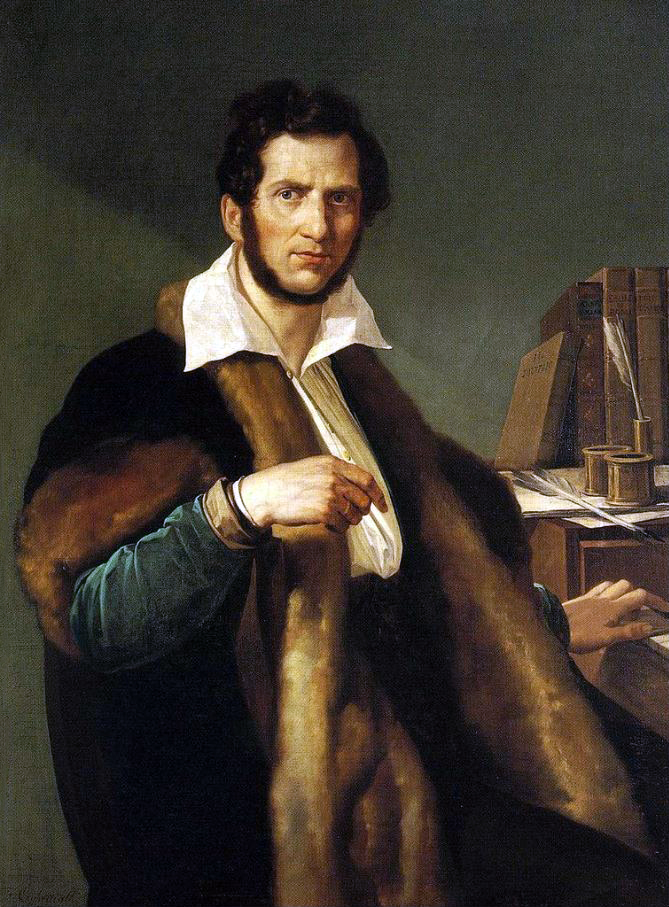
The bel canto master who could write an opera in a week (and often did), Donizetti composed nearly 70 operas spanning comedy and tragedy with equal facility. His gift for vocal melody is unmatched—long, soaring lines that exploit the voice's expressive range while demanding extraordinary technique. He wrote the roles that made 19th-century stars and created the template for Italian Romantic opera that influenced everyone who followed.
0 concerts featuring works by this composer
No upcoming performances scheduled for works by Gaetano Donizetti.
New to Gaetano Donizetti? These works make great entry points.
Charming comic opera featuring the famous 'Ah! mes amis' with nine high Cs—a tenor showpiece that's both musically delightful and vocally thrilling.
Same work, but often done in English translation, making it accessible while featuring the spectacular tenor aria.
L'elisir d'amore - 'Una furtiva lagrima'
This single aria is the perfect introduction—immediately beautiful, emotionally direct, and showcasing Donizetti's melodic genius in four minutes.
Add to Spotlight to be notified when a piece is scheduled near you.
The works that define Gaetano Donizetti's legacy.
His most famous opera contains the ultimate mad scene—'Il dolce suono' with flute obbligato and glass harmonica in original, showcasing bel canto at its most spectacular.
Comic masterpiece with 'Una furtiva lagrima' that's both popular hit and perfectly constructed comic opera, balancing sentiment and humor ideally.
Late opera buffa that synthesizes his comic gifts into a tight, witty, and musically sophisticated work—his last great opera before mental collapse.
Musical style, influences, and more
Donizetti's vocal writing is gloriously singable yet technically demanding, with long phrases, ornamentation, and climactic high notes that showcase star singers. His orchestration is functional rather than innovative, supporting rather than competing with voices. Structurally, he perfected the number opera with cabalettas, cavatinas, and ensemble finales, though late works like 'Don Pasquale' show increasing dramatic continuity. Melodic invention flows endlessly, sometimes borrowing from himself when speed demanded.
He studied with Mayr, who taught him German symphonic craft alongside Italian vocal tradition. Rossini was the model and rival, whose success spurred Donizetti's ambition. He influenced Verdi directly (who admired him) and Bellini was a contemporary/competitor in the bel canto tradition. Later composers like Puccini learned from his dramatic pacing and melodic gifts.
Early successes in Naples and Rome established him as Rossini's successor in Italian opera. The 1830s brought masterpieces across comic and tragic genres (L'elisir, Lucia, Maria Stuarda). Move to Paris (1838) and international commissions brought French grand opera influence. Final years were tragic—mental illness (likely neurosyphilis) destroyed his mind, with his last opera 'Dom Sébastien' completed just before decline.
Donizetti wrote 'L'elisir d'amore' in just two weeks when another composer's work fell through at the last minute. The opera became one of his greatest successes and includes 'Una furtiva lagrima,' one of opera's most beloved arias—proof that genius under pressure can produce miracles, though it also speaks to his facility (some would say over-productivity).
His three 'Tudor' operas (Anna Bolena, Maria Stuarda, Roberto Devereux) about English queens were controversial for depicting royalty on stage and weren't fully rehabilitated until Joan Sutherland championed them in the 1950s-70s—they're now recognized as dramatically sophisticated explorations of power and feminine suffering.
Donizetti's major operas (Lucia, L'elisir, Don Pasquale) are opera house staples worldwide and never leave the repertoire. The Tudor operas have experienced revivals thanks to star sopranos. His lesser-known works appear in smaller houses and festivals. He's evergreen—audiences love the tunes, and singers need the roles in their repertoire. The bel canto revival of the 1950s-70s restored many works to performance.
144 works in catalog
Browse the catalog below. Add any work to your Spotlight to track when it is performed live.
Showing 30 of 144 works