1
Violin Sonata in G Minor 'Devil's Trill': Third Movement
The famous finale with its impossible trill is three minutes of gripping virtuosity that hooks listeners immediately.
1692–1770
158 works
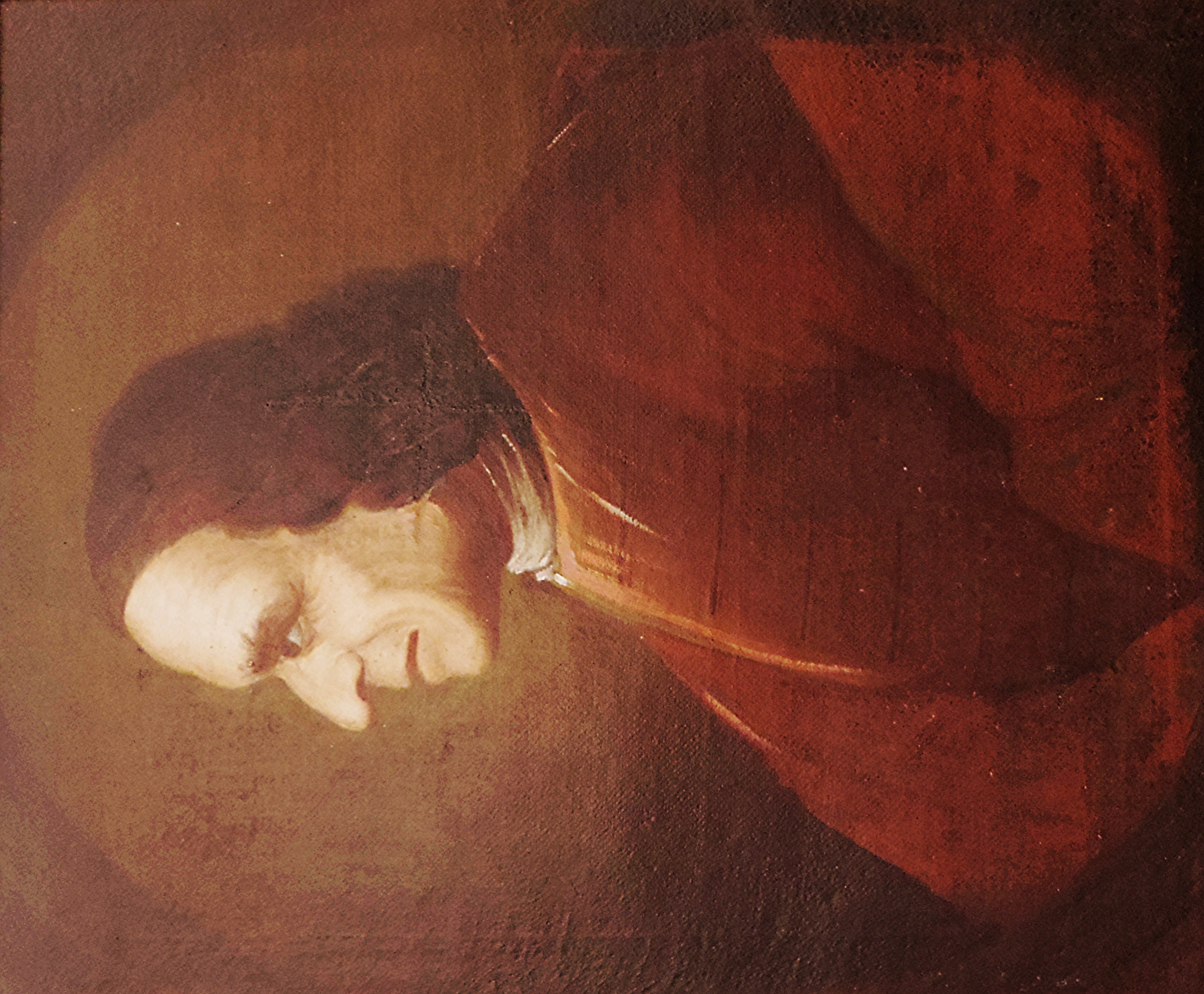
The 'Devil's Triller' revolutionized violin technique while developing a sophisticated theory of harmony based on the overtone series. His sonatas and concertos extended Corelli's legacy with increased virtuosity and harmonic adventure. He was that rare figure: a virtuoso performer who was also a serious musical thinker.
0 concerts featuring works by this composer
No upcoming performances scheduled for works by Giuseppe Tartini.
New to Giuseppe Tartini? These works make great entry points.
Violin Sonata in G Minor 'Devil's Trill': Third Movement
The famous finale with its impossible trill is three minutes of gripping virtuosity that hooks listeners immediately.
Tuneful and sparkling, this concerto showcases his melodic charm without overwhelming technical demands.
Gentle and lyrical, this sonata reveals his tender side and is more accessible than the virtuoso showpieces.
Add to Spotlight to be notified when a piece is scheduled near you.
The works that define Giuseppe Tartini's legacy.
Violin Sonata in G Minor 'Devil's Trill'
The legendary trill in the finale remains one of violin literature's supreme technical challenges, wrapped in music of diabolical beauty.
Violin Concerto in D Minor D. 45
This concerto balances virtuosity with melodic depth, exemplifying his mature concerto style.
Violin Concerto in A Minor D. 115
The slow movement's ornamented cantabile shows his gift for expressive melody that influenced Mozart.
Musical style, influences, and more
Tartini's violin writing exploits double stops, rapid passage work, and the upper register with unprecedented sophistication. His melodic lines often feature slow, ornamented cantabile over harmonic foundations derived from acoustic principles. The music sounds both sensuously Italian and intellectually rigorous.
He studied Corelli's works obsessively, absorbing Italian Baroque violin style. His theoretical work on the 'terzo suono' (difference tone) influenced later acousticians and composers. He founded the 'School of Nations' in Padua, teaching students from across Europe who spread his techniques.
After a colorful youth (including a secret marriage and brief exile), he settled in Padua as first violinist at the Basilica of Saint Anthony. His middle period focused on performance and composition, producing most of his concertos and sonatas. Late years saw increasing emphasis on theory and teaching, codifying his techniques for posterity.
He claimed that his most famous work, the 'Devil's Trill' Sonata, came to him in a dream where the Devil played the violin with superhuman skill. Upon waking, he tried to recreate what he heard, but insisted the reality fell far short—imagine what the Devil's version must have sounded like!
His treatise on ornamentation and his rules for violin playing influenced violin pedagogy for over a century, shaping how the instrument was taught long after his compositional style fell out of fashion.
The 'Devil's Trill' Sonata is a recital staple, appearing frequently on violin programs. His concertos are performed by period ensembles but less by modern orchestras. Generally overshadowed by Vivaldi in Baroque violin repertoire, but the best works deserve more attention.
158 works in catalog
Browse the catalog below. Add any work to your Spotlight to track when it is performed live.
Showing 30 of 158 works