1
Violin Concerto: First Movement
Fifteen minutes that show his melodic gift and brilliant violin writing—immediately appealing.
1830–1915
22 works
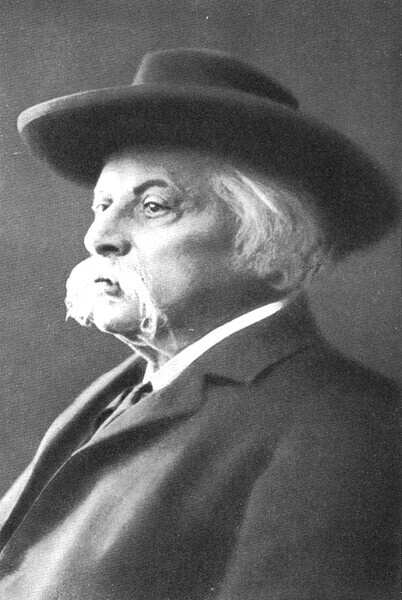
Goldmark was a Hungarian Jewish composer who found success in Vienna with operas and orchestral works that blend Wagnerian drama with Hungarian flavor and brilliant orchestration. His Violin Concerto remains a repertoire favorite, and his best works deserve far more attention than they get.
0 concerts featuring works by this composer
No upcoming performances scheduled for works by Karl Goldmark.
New to Karl Goldmark? These works make great entry points.
Violin Concerto: First Movement
Fifteen minutes that show his melodic gift and brilliant violin writing—immediately appealing.
Rustic Wedding Symphony: Fourth Movement (In the Garden)
A beautiful slow movement that's dreamy and romantic—shows his lyrical side.
An exotic overture based on an Indian drama—colorful and atmospheric, perfect introduction.
Add to Spotlight to be notified when a piece is scheduled near you.
The works that define Karl Goldmark's legacy.
A repertoire staple that balances virtuosity with melodic beauty—it's a Romantic violin concerto of real distinction.
Rustic Wedding Symphony, Op. 26
A programmatic symphony depicting a village wedding with charm, color, and infectious energy—it's utterly delightful.
Die Königin von Saba (opera)
His operatic masterpiece, Wagnerian in scope but more tuneful, with brilliant orchestration and exotic appeal.
Musical style, influences, and more
Goldmark writes in a late-Romantic style with Wagnerian harmonies and orchestration but more lyrical, less heavy. His melodies are singable and often Hungarian-inflected, his orchestration brilliant and colorful, his forms clear despite Romantic expansiveness. He has a gift for creating atmosphere and exotic color, especially in works with Eastern subjects. His music is passionate without being overwrought, sophisticated without being academic.
Wagner was a major influence on his harmonic language and orchestration. Hungarian folk music shaped his melodic sensibility and rhythmic vitality. He absorbed Viennese Romantic tradition while maintaining his Jewish Hungarian identity. His work influenced Korngold and other Jewish composers working in late-Romantic idioms.
His early works struggled for recognition in Vienna's competitive musical world. 'Die Königin von Saba' was his breakthrough, bringing fame and financial security. His mature period brought the Violin Concerto and other successful works. Late works show him maintaining his Romantic style even as music moved toward modernism. He lived long enough to seem old-fashioned but never compromised his aesthetic.
Goldmark's opera 'Die Königin von Saba' (The Queen of Sheba) was so successful at its 1875 premiere that it made him wealthy and famous overnight—it was performed at all major opera houses and remained in repertory for decades, though it's rarely staged today. One work transformed his life completely.
Goldmark was largely self-taught as a composer—he couldn't afford conservatory and learned by studying scores and attending performances, making his technical mastery and success even more remarkable.
The Violin Concerto appears regularly, championed by violinists who love Romantic repertoire. The Rustic Wedding Symphony surfaces occasionally and always charms audiences. His operas are rarely staged, which is a shame—Die Königin von Saba deserves revival. He's under-programmed considering the quality and accessibility of his work.
22 works in catalog
Browse the catalog below. Add any work to your Spotlight to track when it is performed live.
Showing 22 of 22 works