1
Mazurkas, Op. 50
Piano miniatures that synthesize Polish folk music with modernist harmony—accessible and distinctive.
1882–1937
49 works
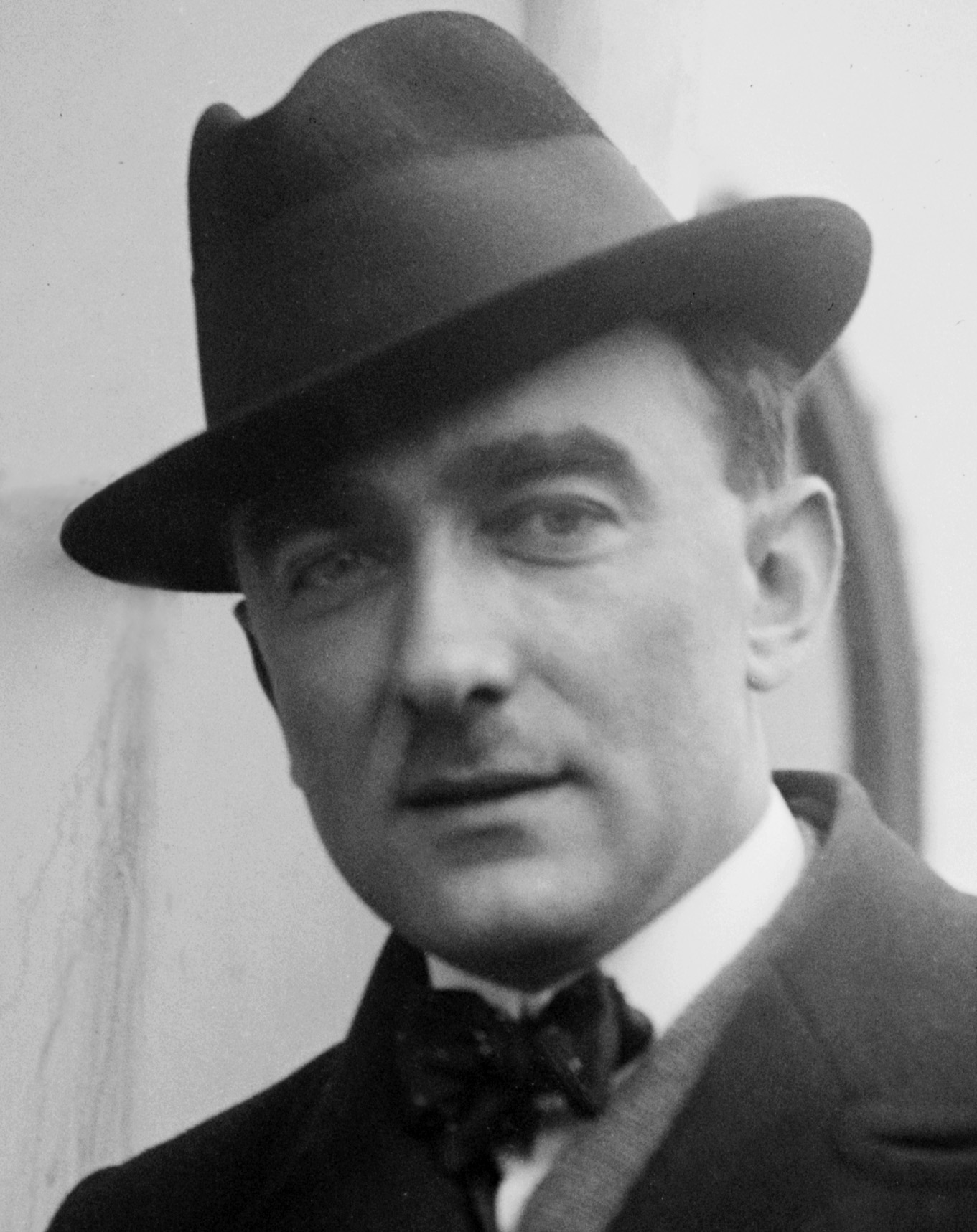
Szymanowski was Poland's great sonic sensualist—his music evolved from late-Romantic density through exotic Orientalism to a distinctive synthesis of Polish folk music and modernist sophistication. He created a uniquely Polish modernism that's lush, colorful, and utterly his own.
0 concerts featuring works by this composer
No upcoming performances scheduled for works by Karol Szymanowski.
New to Karol Szymanowski? These works make great entry points.
Mazurkas, Op. 50
Piano miniatures that synthesize Polish folk music with modernist harmony—accessible and distinctive.
The Fountain of Arethusa from 'Myths', Op. 30
Violin and piano music of impressionistic beauty—immediately appealing and showing his exotic style.
Orchestral music based on Polish highlander culture—colorful and rhythmically vital.
Add to Spotlight to be notified when a piece is scheduled near you.
The works that define Karol Szymanowski's legacy.
An Orientalist violin concerto of exotic beauty and harmonic richness—it's utterly distinctive and mesmerizing.
Symphony No. 3 'Song of the Night', Op. 27
A symphony with tenor and chorus setting Persian poetry—it's sensuously beautiful and harmonically adventurous.
His turn to Polish themes produces a work of profound spirituality and folk-influenced modernism.
Musical style, influences, and more
Szymanowski's mature music is harmonically rich and texturally complex—think Scriabin meets Debussy with Polish highlander melodies. His orchestration is luxurious and colorful, favoring shimmering textures and exotic timbres. He uses chromaticism and whole-tone scales for sensuous effect, and his melodic lines are often sinuous and Arabic-inflected. His late works incorporate Polish folk music with modernist sophistication, creating something distinctively national yet international.
He absorbed German Romanticism (Strauss, Wagner) early on. His discovery of Mediterranean and North African cultures transformed his music into Orientalist exoticism. Debussy and Ravel influenced his harmonic language and orchestration. Scriabin's mystical chromaticism shaped his approach. His turn to Polish folk music was influenced by Bartók's example of modernizing folk traditions.
His early works are late-Romantic and derivative. His middle period brings the Orientalist works—exotic, sensuous, harmonically adventurous. The 1920s brought his turn to Polish folk music, creating works like the ballet Harnasie and the Mazurkas. His final works, including the Violin Concerto No. 2, synthesize all his influences into a mature style. He died of tuberculosis at 54, cutting short his development.
Szymanowski's travels to Sicily and North Africa in the 1910s transformed his music—he became obsessed with Mediterranean light, Islamic culture, and homoerotic themes he couldn't express openly in Catholic Poland. His 'Songs of the Infatuated Muezzin' and other Orientalist works encode his sexuality in exotic musical landscapes.
Szymanowski was openly gay in works like his homoerotic novel 'Efebos' but had to encode his sexuality in his music through Orientalist and mythological imagery—his exotic works are partly expressions of queer identity in coded form.
Szymanowski is under-programmed considering his importance to Polish music and his distinctive voice. The Violin Concerto No. 1 appears occasionally, the Stabat Mater gets choral performances, but much of his output remains neglected. Polish performers champion him, and there's growing international interest. He deserves wider recognition as a unique modernist voice.
49 works in catalog
Browse the catalog below. Add any work to your Spotlight to track when it is performed live.
Showing 30 of 49 works