1
String Quartet: Third Movement
The most famous movement uses dynamics as structural element—it's challenging but fascinating.
1901–1953
1 work
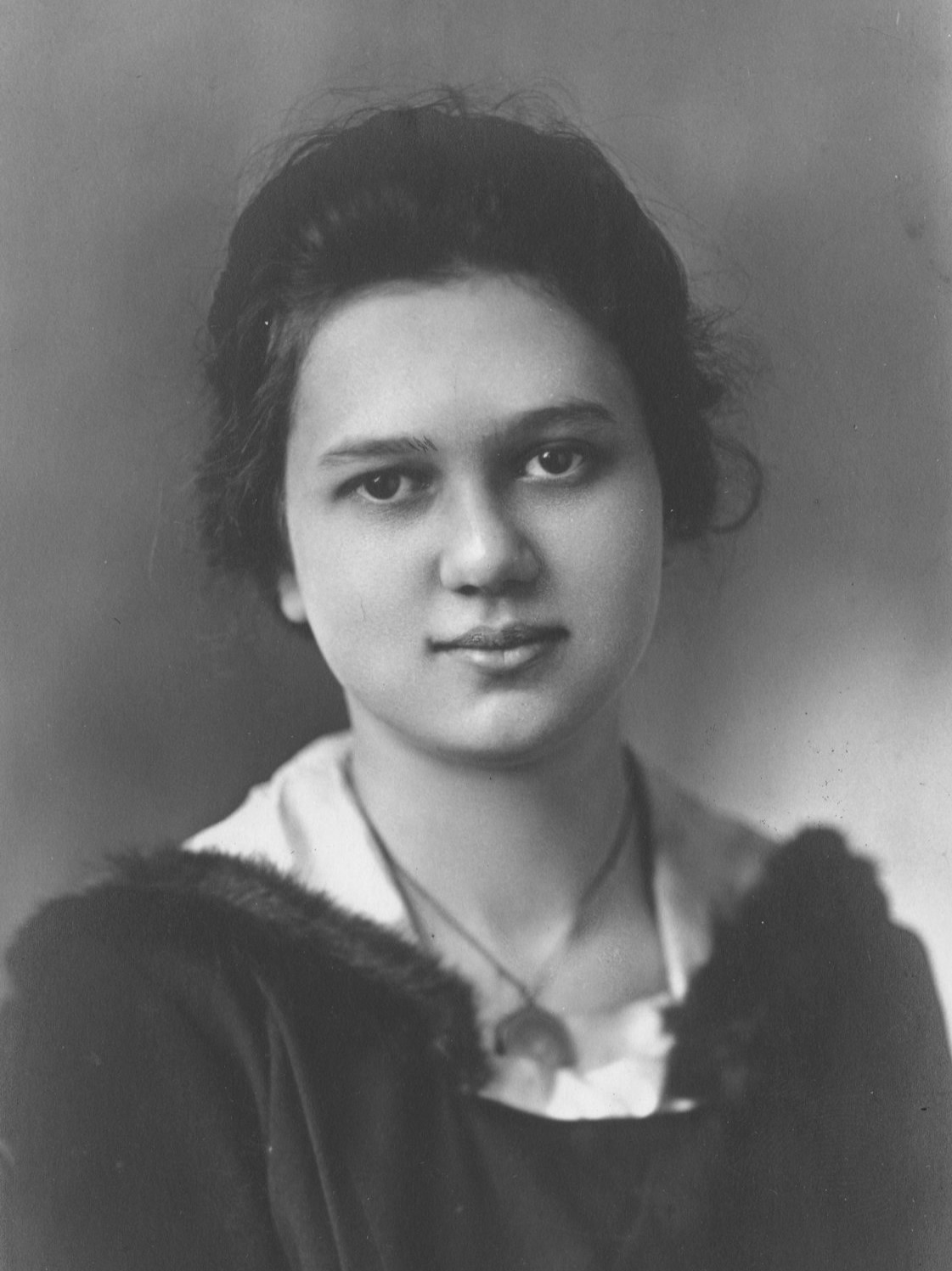
Crawford Seeger was American modernism's great lost voice—her ultra-dissonant String Quartet and other works from the late 1920s-early 30s were as radical as anything in Europe, then she largely stopped composing to focus on folk music research. Her rediscovery reveals a composer of visionary originality.
0 concerts featuring works by this composer
No upcoming performances scheduled for works by Ruth Crawford Seeger.
New to Ruth Crawford Seeger? These works make great entry points.
String Quartet: Third Movement
The most famous movement uses dynamics as structural element—it's challenging but fascinating.
Piano Preludes
Nine short pieces that show her style in concentrated form—modernist but pianistic.
Rissolty Rossolty (folk song arrangements)
Her folk arrangements show her other musical life—accessible and charming.
Add to Spotlight to be notified when a piece is scheduled near you.
The works that define Ruth Crawford Seeger's legacy.
String Quartet 1931
Her masterpiece—a work of radical dissonance and formal innovation that's one of American modernism's monuments.
Diaphonic Suite No. 1 for Solo Flute or Oboe
Solo wind music exploring dissonance and unusual techniques—concentrated and original.
Three Songs to Poems by Carl Sandburg
Vocal music showing her approach to text-setting with modernist techniques.
Musical style, influences, and more
Crawford Seeger writes music of radical dissonance and innovative formal procedures—she explores serialism independently of Schoenberg, creates gradual dynamic processes, and uses unconventional textures. Her music is austere and concentrated, favoring abstract procedures and extreme contrasts. She has a gift for creating tension through dissonance and unusual instrumental techniques, and her forms are often based on mathematical or procedural ideas.
She studied with Charles Seeger who introduced her to modernist ideas. She knew Henry Cowell and the American ultra-modernists. Her work parallels European modernism but develops independently. After marriage to Charles Seeger, she shifted focus to American folk music, influencing Pete Seeger (her stepson) and the folk revival.
Her early works show exploration of dissonance and modernist techniques. Her peak period (1929-1933) brought her most radical works including the String Quartet. After marriage and children, she focused on folk music transcription and arrangement. Late in life she briefly returned to composition but died of cancer before fully resuming.
Crawford Seeger essentially stopped composing original music after the mid-1930s to focus on raising children and doing folk music research for the Library of Congress—she made a deliberate choice to support her family and preserve American folk traditions rather than pursue her compositional career. What that career might have become remains one of music's great 'what ifs.'
Crawford Seeger's folk song transcriptions and arrangements were foundational to the American folk music revival—her work with Alan Lomax at the Library of Congress helped preserve and disseminate American traditional music, showing her musicianship in entirely different context.
Crawford Seeger is experiencing major rediscovery—her String Quartet appears increasingly on new music programs and has been recorded multiple times. Her other works are performed by specialists and new music ensembles. She's being recognized as a major American modernist whose career was cut short by gender expectations and family responsibilities.
1 works in catalog
Browse the catalog below. Add any work to your Spotlight to track when it is performed live.
Showing 1 of 1 works