1
O magnum mysterium
Immediately beautiful and emotionally direct, this motet introduces his style through accessible wonder.
1548–1611
121 works
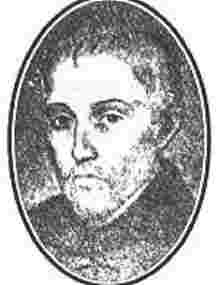
The mystical master of Spanish Renaissance polyphony created sacred music of intense emotional and spiritual power. His works achieve a devotional fervor that sets them apart from the cooler perfection of Palestrina, his Italian contemporary. Victoria's music doesn't just serve the liturgy—it becomes prayer itself.
0 concerts featuring works by this composer
No upcoming performances scheduled for works by Tomás Luis de Victoria.
New to Tomás Luis de Victoria? These works make great entry points.
Immediately beautiful and emotionally direct, this motet introduces his style through accessible wonder.
This double-choir setting demonstrates his mastery of spatial effects and harmonic richness.
A Good Friday reproach that showcases his dramatic instinct and emotional intensity.
Add to Spotlight to be notified when a piece is scheduled near you.
The works that define Tomás Luis de Victoria's legacy.
Officium Defunctorum (Requiem)
His six-voice Requiem for Empress María is the pinnacle of Renaissance funeral music, mystical and intensely moving.
This Christmas motet epitomizes his ability to create wonder and awe through polyphonic means.
Tenebrae Responsories
These Holy Week settings achieve profound darkness and lamentation through chromatic harmony and textural contrasts.
Musical style, influences, and more
Victoria's polyphony employs richer dissonance and more dramatic contrasts than his contemporaries, creating heightened emotional expression. His melodic lines often feature expressive leaps and chromatic inflections. The result is music that feels both structurally controlled and passionately devotional.
He likely studied with Palestrina in Rome, absorbing Italian polyphonic mastery while maintaining Spanish intensity. The Spanish mystical tradition of Teresa of Ávila and John of the Cross parallels his musical spirituality. His influence on Spanish sacred music was absolute for centuries.
Roman period saw him absorb Italian technique while developing his distinctive voice. Return to Spain in 1587 brought increasing focus on devotional depth over display. Late works, especially the Officium Defunctorum, achieve transcendent synthesis of technique and spirituality.
After achieving success in Rome, he returned to Spain and spent his final decades as chaplain to the Dowager Empress María at a Madrid convent. This relative retirement produced his greatest works, suggesting he needed withdrawal from public success to achieve full spiritual and artistic depth.
Unlike most Renaissance composers, Victoria wrote only sacred music—no madrigals, no secular songs. This total dedication to religious expression gives his output unusual unity and intensity of purpose.
Victoria appears regularly on sacred music programs, especially during Holy Week and Christmas. His works are staples of cathedral music and early music ensembles. He's perhaps slightly less performed than Palestrina but equally respected in sacred music circles.
121 works in catalog
Browse the catalog below. Add any work to your Spotlight to track when it is performed live.
Showing 30 of 121 works